





 Continue with Apple
 Continue with Google
1. Introduction
A Brief Overview of Online Gambling: Online gambling has transformed significantly since its inception in the mid-1990s. Initially, it mirrored traditional gambling formats but soon began to leverage the burgeoning capabilities of the internet. The first online casinos offered basic versions of classic games, but as technology advanced, so did the variety and complexity of the offerings. Today, online gambling encompasses a vast range of activities from virtual poker rooms and casinos to sports betting and lotteries, available at the click of a button.
Introduction to the Rise of Cryptocurrencies in Gambling: The integration of cryptocurrencies into online gambling marks a pivotal shift in how players deposit and withdraw funds. Cryptocurrencies like Bitcoin, Ethereum, and others began gaining traction in the gambling industry around the early 2010s. They brought with them promises of greater privacy, reduced transaction fees, and quicker processing times compared to traditional banking methods. Moreover, the decentralized nature of blockchain technology, which underpins these cryptocurrencies, introduced concepts of provably fair gaming, enhancing transparency and trust in online games.
Purpose of the Article: This article aims to delve into a comprehensive comparison between traditional online gambling and the emerging trend of crypto gambling. By exploring various dimensions such as security, transaction speed, regulatory aspects, and user anonymity, we seek to understand the core differences and potential benefits each mode offers. This comparison not only aids potential gamblers in making informed decisions but also sheds light on the future trajectory of the gambling industry in an increasingly digital world.
Be aware that some websites swap these two definitions. Their definition of game RTP might give a false impression that players statistically lose only a small fraction of their money, equal to house edge of the game. The rest of the money should then be redistributed among winners (other players using the same strategy that managed to win).
Overview of Payment Methods: Traditional online gambling platforms offer a variety of payment methods to accommodate the needs of different users. Common options include:
From Traditional Platforms to Crypto Casinos

Birth of Online Gambling
The first online casino is launched.
Microgaming, a software company, creates the first fully functional online casino.

The First Online Gambling License
The Kahnawake Gaming Commission is established
This commission began issuing online gambling licenses, creating a framework for regulating online casinos.

Rise of Live Dealer Casinos
Live dealer games are introduced.
Casinos start offering live dealer games, bridging the gap between online and land-based casino experiences.
Bitcoin is Created
Introduction of Bitcoin.
Satoshi Nakamoto releases Bitcoin, the first decentralized cryptocurrency, paving the way for crypto gambling.

Black Friday in Online Poker
Major online poker sites are shut down in the U.S.
U.S. Department of Justice shuts down major online poker sites like PokerStars and Full Tilt Poker, leading to a crackdown on online gambling. Graphic: A red stop sign with a poker chip or handcuff icon.

First Bitcoin-Only Casino
Launch of SatoshiDice.
SatoshiDice becomes the first Bitcoin-only gambling platform, offering provably fair games and anonymous gambling. Graphic: A dice icon with a Bitcoin symbol.

Regulatory Shift Towards Crypto Gambling
Growing acceptance of Bitcoin casinos.
Several jurisdictions begin considering regulations for crypto gambling, recognizing its growing popularity.

Explosion of Cryptocurrency Adoption
Massive growth in cryptocurrency markets.
Bitcoin and other cryptocurrencies see exponential growth, leading to the launch of many new crypto casinos.

DeFi and NFTs Enter the Gambling Space
Integration of DeFi (Decentralized Finance) and NFTs (Non-Fungible Tokens) in online gambling.
Gambling platforms begin incorporating DeFi protocols for decentralized betting and NFTs as in-game assets or rewards.

Introduction of hybrid casinos that accept both fiat and cryptocurrencies.
The first online casino is launched.
Traditional online casinos start accepting cryptocurrencies alongside fiat, and crypto gambling gains broader acceptance.
2. Overview of Traditional Online Gambling
2.1 How Traditional Online Gambling Work
Credit Cards: Visa, MasterCard, and American Express are widely accepted for both deposits and withdrawals. Credit cards are favored for their ease of use and widespread acceptance.
E-Wallets: Digital wallets like PayPal, Skrill, and Neteller allow users to store funds online and make quick transactions. E-wallets are popular due to their fast processing times and enhanced security features.
Bank Transfers: Direct bank transfers are used for moving large sums of money directly between bank accounts and gambling accounts. While secure, they can be slower than other methods and often involve higher fees.
Explanation of Licensing and Regulatory Bodies: The regulation of traditional online gambling is critical for ensuring fair play and protecting consumers. Key regulatory bodies include:
UK Gambling Commission (UKGC): Responsible for regulating and supervising gambling activities in Great Britain. The UKGC ensures that operators meet strict standards for fairness, protection of customer funds, and prevention of gambling-related harm.
Malta Gaming Authority (MGA): Another prominent regulatory body based in Malta, known for its rigorous licensing processes. It oversees many of the European online gambling operations.
New Jersey Division of Gaming Enforcement (DGE): In the United States, the DGE is pivotal in regulating New Jersey's online gambling industry, ensuring compliance with state gambling laws.
Overview of Popular Games and Betting Options: Traditional online casinos offer a vast array of gaming options, catering to diverse tastes and preferences. Popular games include:
Slots: These are the most common offerings in online casinos, with hundreds of different themes and jackpot options. Table Games: Classics like blackjack, roulette, baccarat, and poker maintain high popularity. Online platforms often offer several variants of each game to keep things interesting.
Live Dealer Games: These games simulate a real-life casino experience by streaming a live dealer at a casino table directly to the player's device. Popular live dealer games include live blackjack, roulette, and baccarat.
Sports Betting: Many gambling sites also offer sports betting, where players can wager on a variety of sports events from football and basketball to horse racing.

Create an Account
Sign up, verify, and log in.

Make a Deposit
Choose payment method, fund account.

Place Your Bet
Select game, set amount, bet.

| Payment Method | Transaction Fees | Transaction Time | Security Features | Global Accessibility | Additional Notes |
|---|---|---|---|---|---|
| Credit Card (Visa, Master Card) | 1-3% per transaction | Deposits: Instant Withdrawals: 3-5 days | PCI Compliance, SSL Encryption, Chargeback Protection | Widely accepted globally (except some regions with restrictions) | High acceptance rate Can lead to debt accumulation |
| E-Wallet (PayPal, Skrill, Neteller) | 1-5% depending on the provider | Deposits: Instant Withdrawals: 1-2 days | 2FA, SSL Encryption, Fraud Detection Systems | Available in most regions (some country restrictions apply) | Preferred for fast withdrawals Some platforms exclude bonuses with e-wallets |
| Bank Transfer | $10-$50 per transfer or a percentage fee | Deposits: 1-3 days Withdrawals: e 3-7 days | Bank-level security, Account Verification, SSL Encryption | Global, but can be slow in some regions | Highly secure but slow Often used for large transactions |
| Prepaid Card (Paysafecard) | 0-5% of transaction value Usually | Deposits: Instant Withdrawals: Not | SSL Encryption, PIN Code Protection | Available in many countries (regional availability may vary) | Great for budgeting No withdrawal option |
| Cryptocurrency (Bitcoin, Ethereum) | 0.1- 1% (depending on network fees) | supported Deposits: 10 minutes to 1 hour n Withdrawals: 10 minutes to 1 hour | Blockchain Encryption, Decentralized. Anonymity G ac lo re | Globally accessible (subject to local regulations) | High volatility in value Anonymity can lead to lower protection |
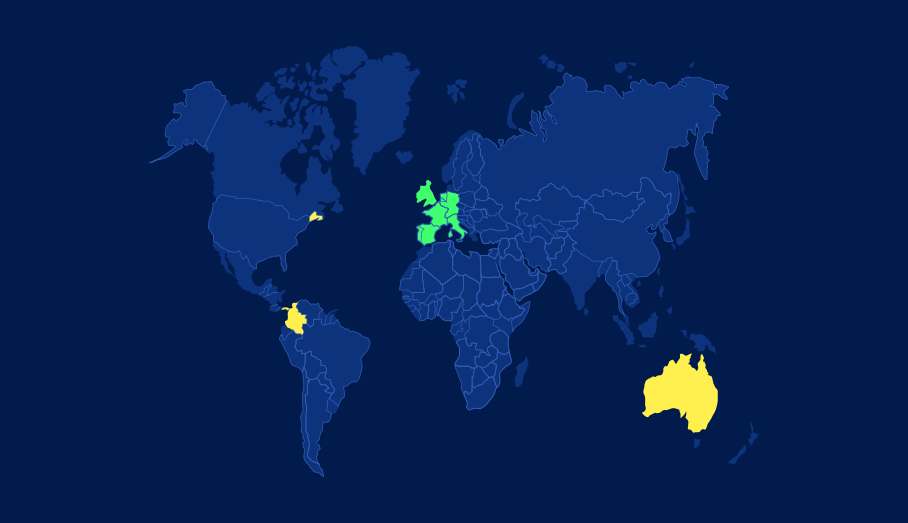
- Strong Regulation (e.g., UK, Malta, Gibraltar, Isle of Man, Italy, Spain)
- Moderate Regulation (e.g., Curacao, Kahnawake, Australia, New Jersey, USA)
- Little to No Regulation (Rest of the world)
2.2 Benefits of Traditional Online Gambling
Established Regulatory Frameworks Ensuring Player Protection: Traditional online gambling benefits significantly from established regulatory frameworks, which play a crucial role in ensuring the safety and fairness of gambling activities. These frameworks are designed to protect players by enforcing fair play standards, ensuring the integrity of gambling operations, and overseeing the protection of player funds. Regulators such as the UK Gambling Commission, the Malta Gaming Authority, and various state-level bodies in the United States mandate strict compliance with legal standards that help prevent fraud, protect vulnerable individuals, and resolve disputes effectively.
Variety and Familiarity of Games:One of the primary attractions of traditional online gambling is the vast variety of games that cater to both seasoned gamblers and newcomers. Players can enjoy a range of familiar games that mirror those found in physical casinos, such as slots, roulette, blackjack, and poker. Additionally, these platforms frequently update their game libraries with new and innovative titles while maintaining classic offerings that have stood the test of time. This mix of traditional and contemporary games ensures that all players can tind something that suits their taste.
Strong Customer Support and Trust: Traditional online casinos typically offer robust customer support services to assist players with any issues they might encounter. Support channels often include 24/7 live chat, email, and phone support, providing timely and effective help. The presence of strong customer support builds trust among players, reassuring them that they can get assistance whenever needed. Furthermore, the longevity and established presence of traditional online gambling operators cultivate a sense of reliability and credibility, enhancing player confidence in the fairness and security of the gambling environment.

| Feature | Traditional Gambling | Crypto Gambling |
|---|---|---|
| Regulation | Highly regulated by established authorities like the UKGC or MGA. | Varies; often regulated by less stringent bodies like Curacao eGaming. |
| Customer Support | Extensive support via live chat, phone, and email. 24/7 availability common. | Often limited to live chat and email; may not offer 24/7 support. |
| Game Variety | Wide range of games from renowned providers. Includes slots, table games, live dealer games. | Increasing variety, including provably fair games unique to crypto platforms. Often includes innovative blockchain-based games. |
2.3 Risks of Traditional Online Gambling
Potential for Slower Transactions Due to Banking Processes: One of the main drawbacks of traditional online gambling is the potential for slower transaction times, primarily due to the reliance on traditional banking processes. Deposits may be instantaneous in some cases, but withdrawals can often take several days to process. This delay is typically due to the time required for banks to approve and complete transactions, as well as the additional security checks that gambling platforms must perform to comply with financial regulations.
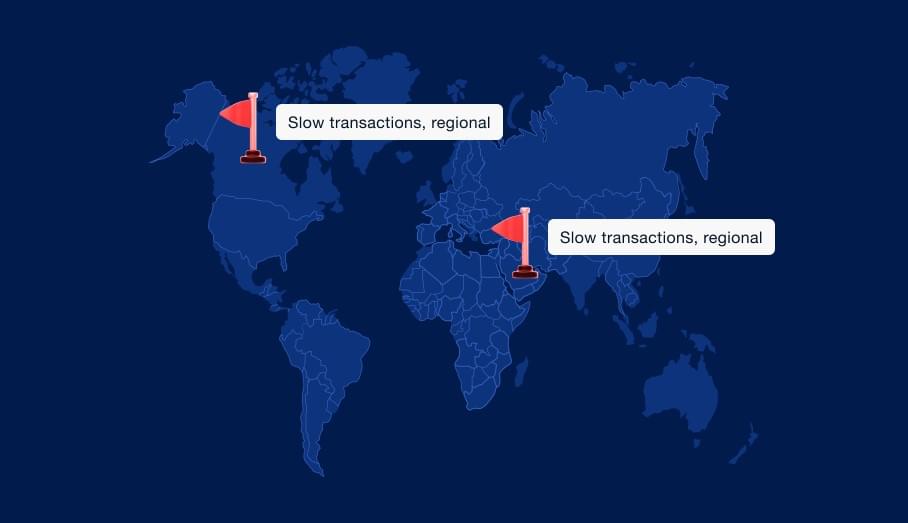
Regional Restrictions and Limited Access Based on Location:Traditional online gambling is heavily influenced by local and international gambling laws, which can significantly limit access based on the player's location. Some countries have strict regulations that prohibit online gambling entirely or impose severe restrictions on the types of games that can be offered. This can prevent players from accessing their preferred platforms or force them to use sites that operate in a legal gray area, potentially increasing the risk of encountering unregulated or less secure platforms.
Fees Associated with Payment Methods:Another concern for players in traditional online gambling is the variety of fees associated with different payment methods. Credit card transactions, bank transfers, and even some e-wallet services can come with significant processing fees, either on deposits or withdrawals, or both. These fees can vary widely depending on the payment provider, the gambling site, and the transaction amount, potentially reducing the overall winnings of players.
3. Overview of Crypto Gambling
3.1 How Crypto Gambling Works
Explanation of How Cryptocurrencies are Used in Gambling: Cryptocurrencies have revolutionized online gambling by offering a digital alternative to traditional currency. These digital assets, like Bitcoin, Ethereum, and others, allow users to place bets and receive winnings through secure, anonymous transactions. The use of cryptocurrencies in gambling not only enhances privacy but also reduces transaction fees and processing times compared to conventional banking methods. This has made crypto gambling particularly attractive to players in regions with strict gambling regulations or those seeking faster and more cost-effective ways to gamble online.
Overview of Blockchain Technology and Smart Contracts: Blockchain technology is the backbone of cryptocurrency transactions, providing a decentralized and transparent ledger for all operations. Each transaction is recorded in a block and added to a chain in chronological order, making it nearly impossible to alter. This ensures the integrity and traceability of each bet and payout. Smart contracts, which are self-executing contracts with the terms directly written into code, further enhance the security and efficiency of these transactions. They automatically enforce and execute the terms of agreements between parties, such as the payout of winnings once conditions are met, without the need for intermediaries.
Description of Provably Fair Gaming: Provably fair gaming is a revolutionary concept enabled by blockchain technology, offering a verifiable and transparent method to ensure the fairness of online games. In a provably fair system, algorithms and cryptographic techniques are used to show that the outcome of a game is fair and has not been manipulated. This system allows players to verify the fairness of each game round themselves with the help of hash functions, random number generators, and the blockchain. The transparency not only builds trust among players but also ensures that the games are not biased toward the house or other players, promoting a fair gambling environment. These advancements in the use of cryptocurrencies and blockchain technology have significantly influenced the evolution of online gambling, making it safer and more accessible while ensuring fairness and transparency in every aspect of gameplay.
| Risk | Potential Impact on User Experience |
|---|---|
| Fraud and Scams | Loss of funds due to deceptive practices or dishonest sites; erodes trust in the industry. |
| Cybersecurity Threats | Personal and financial data breaches can lead to identity theft and financial loss. |
| Regulatory Changes | Sudden changes in legal framework may limit access to certain games or even whole platforms. |
| Payment Issues | Delays in deposits or withdrawals, high fees, and transaction failures affect liquidity and satisfaction. |
| Addiction and Responsible Gambling Concerns | May lead to financial distress and mental health issues without proper controls and support. |

Crypto Sent

Nodes Verify

Secured in Blockchain
3.2 Benefits of Crypto
Gambling Anonymity and Privacy for Users: Crypto gambling provides a high degree of anonymity and privacy for users. Unlike traditional online gambling platforms that require players to submit personal and financial information, crypto gambling platforms often allow players to gamble with minimal to no personal information being shared. Transactions made with cryptocurrencies do not carry the names of the parties involved, thus maintaining the privacy of users. This feature is particularly appealing to those who wish to keep their gambling activities private or are concerned about security breaches involving personal data.
Fast Transactions with Low or No Fees: One of the standout advantages of using cryptocurrencies in gambling is the speed of transactions. Deposits and withdrawals can often be completed in a matter of minutes, as opposed to days with traditional banking methods. Additionally, because these transactions do not involve banks or other financial intermediaries, the associated costs are significantly lower. Many crypto gambling sites boast minimal to no transaction fees, which can substantially reduce the overall cost of gambling and increase the winnings for players.
Global Accessibility Without Regional Restrictions: Crypto gambling offers remarkable global accessibility, circumventing many of the geographical and regulatory restrictions that affect traditional online gambling. Cryptocurrencies, being decentralized and not tied to any specific country or regulatory body, allow users from around the world to participate in gambling activities without the usual constraints. This opens up a world of opportunities for players in countries where gambling is restricted or where access to traditional banking systems is limited. These benefits make crypto gambling an attractive alternative to traditional online platforms, offering enhanced privacy, cost efficiency, and accessibility that cater to a broad audience of online gamblers.

| Risk | Transaction Speed | Anonymity | Security |
|---|---|---|---|
| Bitcoin (BTC) | ~10 minutes | Pseudonymous | Highly secure, decentralized |
| Ethereum (ETH) | ~15 seconds | Pseudonymous | Secure, transitioning to Proof of Stake |
| Solana (SOL) | ~400 milliseconds | Pseudonymous | Highly secure, with Proof of History (PoH) and PoS |
| Monero (XMR) | ~2 minutes | Fully anonymous | Highly secure, privacy-focused |
| Polygon (MATIC) | ~2 seconds | Pseudonymous | Secure, with a multi-chain system for enhanced scalability and security |
| Ripple (XRP) | 4 seconds | Low anonymity | Secure, but centralized |
3.3 Risks of Crypto
Gambling Regulatory Uncertainty and Lack of Oversight: One of the primary risks associated with crypto gambling is regulatory uncertainty. The legal landscape for cryptocurrencies is still evolving, with varied regulations across different jurisdictions. This lack of consistent oversight can lead to ambiguity about the legality of certain operations, potentially putting players at risk. Furthermore, many crypto gambling platforms operate in jurisdictions with minimal regulatory requirements, raising concerns about their legitimacy and the enforcement of fair play standards. Market Volatility Affecting the Value of Funds: Cryptocurrencies are notoriously volatile, with prices capable of significant fluctuations within short periods. This volatility can directly impact the value of deposits and winnings in a crypto gambling
Market Volatility Affecting the Value of Funds: Cryptocurrencies are notoriously volatile, with prices capable of significant fluctuations within short periods. This volatility can directly impact the value of deposits and winnings in a crypto gambling account. For instance, the value of a player's winnings could decrease dramatically if the market takes a downturn after a payout is made, or conversely, their initial deposit could increase in value, affecting their gambling budget and potential returns.
Potential for Fraud or Scams in Unregulated Markets: The combination of high anonymity, lack of regulation, and the irreversible nature of cryptocurrency transactions creates an environment ripe for fraud and scams. Players might encounter unscrupulous operators or fraudulent schemes that are harder to prosecute in the absence of clear regulatory frameworks. Additionally, the anonymity provided by cryptocurrencies, while beneficial for privacy, also makes it challenging to track down and recover funds in cases of fraud or theft. F71
These risks underline the need for cautious engagement with crypto gambling platforms. Players should conduct thorough research, verify the reputation of the sites they use, and be aware of the legal and financial risks involved in their activities.
Strengths and Weaknesses: Traditional vs. Crypto Gambling

Regulation
Traditional Gambling
Reason: Highly regulated by well-established bodies like the UK Gambling Commission and Malta Gaming Authority.
Crypto Gambling
Reason: Often subject to less stringent regulatory environments; may only have licenses from jurisdictions with lax oversight like Curacao.

Privacy
Traditional Gambling
Reason: Requires personal information for account creation and transactions, less privacy overall.
Crypto Gambling
Reason: Offers more anonymity; transactions do not typically require personal information.

Transactional Gambling
Traditional Gambling
Reason: Transaction speed can be fast but often depends on the payment method; e-wallets are quick, but bank transfers take longer.
Crypto Gambling
Reason: Generally offers faster transactions, especially with cryptocurrencies like Bitcoin and Ethereum that facilitate quick ledger updates.

Accessibility
Traditional Gambling
Reason: Widely accessible in jurisdictions where gambling is legal, with many options for users.
Crypto Gambling
Accessible globally but can be restricted by local regulations concerning cryptocurrency use

Security
Traditional Gambling
Reason: Generally high due to strong regulatory compliance but varies by provider. Crypto Gambling:00000 •
Crypto Gambling
Reason: Blockchain technology offers inherent security features, but the platforms themselves may be vulnerable to hacks.

Innovation
Traditional Gambling
Reason: Innovates within the bounds of regulatory compliance; slower to adopt new technologies.
Crypto Gambling
Reason: Frequently integrates cutting-edge technologies like blockchain and smart contracts.
| Risk | Potential Impact on User Experience |
|---|---|
| Regulatory Uncertainty | Legal ambiguities could lead to platform shutdowns or frozen assets, affecting user access and funds security. |
| Security Threats | Vulnerabilities such as hacking or phishing could lead to stolen funds or compromised personal information. |
| Market Volatility | Rapid fluctuations in cryptocurrency values can affect the real value of deposits and winnings, leading to potential losses. |
| Anonymity Issues | While offering privacy, high anonymity can complicate the resolution of disputes and recovery of funds. |
| Technical Failures | Glitches or downtime in blockchain operations could delay transactions, affecting gameplay and access to funds. |
4. Comparative Analysis
4.1 Side-by-Side Comparison of Traditional vs. Crypto Gambling
Direct comparison of the key elements: Payment Methods, Security, Accessibility, Speed, Privacy, Game Variety.
| Feature | Traditional Gambling | Crypto Gambling |
|---|---|---|
| Regulation | Strongly regulated by established authorities like the UKGC, MGA. | Often regulated by less stringent bodies, such as Curacao. |
| Privacy | Requires personal information for account setup and transactions. | Offers higher levels of anonymity; fewer personal details required. |
| Transaction Speed | Varies by payment method; e-wallets are fast, bank transfers can be slow. | Generally faster, with immediate blockchain confirmations. |
| Payment Options | Credit cards, bank transfers, e-wallets, and more. | Primarily cryptocurrency-based (Bitcoin, Ethereum, etc.). |
| Geographical Accessibility | Widely accessible where gambling is legally permitted. | Accessible globally but can be restricted by local crypto regulations. |
| Security | High, with encryption and compliance with regulatory standards. | High, leveraging blockchain technology for added security. |
| Game Variety | Extensive, includes a wide range of traditional and modern casino games. | Varied, includes traditional games plus innovative blockchain-based games. |
| Bonuses and Promotions | Common, often includes welcome bonuses, reload bonuses, etc. | Frequently offers bonuses, often with more favorable terms due to lower overhead. |
| Innovation and Technology | Generally robust, with multiple channels like live chat, phone, email. | Highly innovative, often at the forefront of adopting new technologies. |
| Innovation and Technology | Steady, with gradual integration of new tech. | Subject to high volatility in cryptocurrency markets. |
| Market Stability | Steady, with gradual integration of new tech. | Glitches or downtime in blockchain operations could delay transactions, affecting gameplay and access to funds. |
4.2 User Scenarios: When to Choose Traditional vs. Crypto
Regulation and Security: Traditional gambling is ideal for users who value a regulated environment with strong consumer protections. If you prioritize the security of your funds and the fairness of games, traditional platforms, regulated by authoritative bodies like the UK Gambling Commission or the Malta Gaming Authority, provide a structured and secure gambling experience.
Comprehensive Customer Support: Players who expect extensive support services might prefer traditional gambling sites. These platforms typically offer a variety of support options including 24/7 live chat, telephone support, and extensive FAQs. This is crucial for users who may need immediate help or have concerns that require detailed assistance.
Payment Variety: Traditional gambling is also suitable for those who prefer using conventional payment methods like credit cards, bank transfers, or e-wallets. This is particularly important for users in regions where cryptocurrency is not widely accepted or those who are less familiar with digital currencies.
Scenarios Where Crypto Gambling is Preferable:
Anonymity: Crypto gambling is the go-to option for users who prioritize privacy and wish to keep their gambling activities confidential. Since cryptocurrencies do not typically require personal information for transactions, they offer a higher degree of anonymity compared to traditional gambling.
Speed of Transactions: If you value fast transaction times, crypto gambling platforms are preferable. Cryptocurrency transactions can be significantly quicker than traditional banking processes, especially when it comes to withdrawals, which can be processed in minutes rather than days.
Global Accessibility: For users located in jurisdictions where traditional online gambling is restricted or illegal, crypto gambling provides an accessible alternative. The decentralized nature of cryptocurrencies allows players from various parts of the world to participate without the same legal constraints or need for currency conversion found in traditional gambling.
Choosing Your Ideal Gambling Platform

What is your top priority in
choosing a gambling platform?
- Security
- Transaction Speed
- Privacy
- Game Variety
- Bonuses
- Geographic Accessibility.
Do you prefer established regulatory security or innovative tech security?
If user prefers regulatory security, lead to traditional gambling.
If user prefers technology-driven security (e.g., blockchain), lead to crypto gambling.
Is maintaining anonymity important to you?
If anonymity is not a concern, lead to traditional gambling.
If privacy is a priority, lead to crypto gambling.
Do you value highly competitive bonuses?
If standard bonuses are sufficient, lead to traditional gambling.
If seeking more lucrative or frequent bonuses, lead to crypto gambling.
Do you need instant transaction processing?
If speed is not a priority, lead to traditional gambling.
If immediate processing is crucial, lead to crypto gambling.
Are you looking for a wide range of established games or innovative new games?
For a wide range of established games, lead to traditional gambling.
For innovative and blockchain-based games, lead to crypto gambling.
Are you affected by regional gambling restrictions?
If not affected, or if gambling is legal in your region, lead to traditional gambling.
If affected by restrictions or seeking global access, lead to crypto gambling.

5. Future Trends
Predictions on the Future Growth of Crypto Gambling: The trajectory of crypto gambling appears steeped in potential, driven by the increasing acceptance of cryptocurrencies as a legitimate transaction medium. As digital currencies gain mainstream traction, the allure of their underlying technologies- such as blockchain-promises to further solidify the position of crypto gambling within the broader market. Predictions suggest that as more users become comfortable with cryptocurrencies, the volume and size of bets placed in crypto form are likely to increase, particularly among tech-savvy younger demographics who value privacy and speed.
Potential Convergence of Traditional and Crypto Gambling Platforms: A fascinating evolution in the gambling industry might be the convergence of traditional and crypto gambling platforms. As traditional operators recognize the benefits of blockchain technologies, such as enhanced security, transparency, and reduced operational costs, we are likely to see more of them integrating cryptocurrencies into their payment systems. This integration could potentially extend to adopting blockchain for gaming operations to appeal to a broader audience that values the trustworthiness and innovation offered by crypto solutions.
Emerging Technologies and Regulatory Changes: Emerging technologies like artificial intelligence, machine learning, and augmented reality are set to transform the gambling experience, offering more personalized and immersive gaming experiences. These technologies could integrate more seamlessly on platforms underpinned by crypto-assets, which offer the necessary flexibility and security. On the regulatory front, the landscape is expected to evolve with the technology. Jurisdictions that once balked at the notion of cryptocurrencies might shift towards more structured regulatory frameworks to better accommodate and control crypto transactions within gambling.
Speculation on How Both Forms May Evolve or Coexist in the Future: Looking ahead, traditional and crypto gambling are expected to not only evolve but also increasingly coexist. Hybrid models may become commonplace, where platforms offer both fiat and crypto options to cater to a diverse client base. Such dual-functioning casinos could leverage the strengths of each form-regulatory security from traditional systems and the innovative, tech-driven aspects of crypto platforms.
Possibilities for Future Regulations: The future regulatory environment is likely to become more nuanced, potentially adopting new policies that address the unique challenges posed by cryptocurrencies, such as anti-money laundering (AML) and combating the financing of terrorism (CFT). Regulators might develop more sophisticated tools and frameworks to monitor and regulate digital transactions in real- time, providing safer and more robust gambling ecosystems. In summary, the intersection of evolving technologies, shifting user preferences, and dynamic regulatory frameworks suggests a vibrant future for both traditional and crypto gambling. The industry is poised for significant transformation, promising enhanced user experiences and broader accessibility.
Comparative Overview
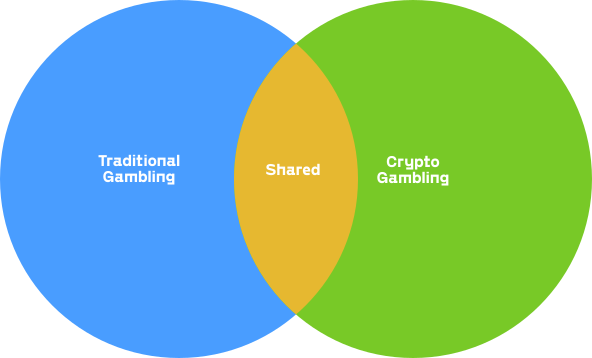
- Regulated by well-established authorities like the UKGC and MGA.
- Offers payment options like credit cards, bank transfers, and e-wallets.
- Longer transaction times due to processing through financial institutions.
- Comprehensive customer support including phone, email, and live chat.
- Both offer a variety of games, including slots, table games, and live dealer options.
- Both platforms can offer bonuses and promotions, though types and amounts may vary.
- Both are accessible via desktop and mobile platforms.
- Both can be subject to geographical restrictions, though the specifics may differ.
- Operates with minimal regulatory oversight.
- Uses cryptocurrencies like Bitcoin, Ethereum for transactions.
- Faster transaction speeds due to blockchain technology.
- Enhanced privacy and anonymity for users.

6. Conclusion
Recap of Key Differences and Similarities: Traditional and crypto gambling both cater to the global enthusiasm for betting but differ significantly in their operational frameworks. Traditional gambling is recognized for its robust regulatory compliance, providing a secure environment through well-established legal frameworks. Conversely, crypto gambling emphasizes anonymity, rapid transactions, and global accessibility, underpinned by the innovative blockchain technology. Despite these differences, both forms share a commitment to providing diverse gaming experiences and continuously adapting to player preferences.
Final Thoughts on the Choice Between Traditional and Crypto Gambling: Choosing between traditional and crypto gambling depends largely on individual needs and circumstances. If you value security and regulatory protection, traditional platforms might be more suitable However, if privacy, speed, and accessing gambling platforms from any geographic location are your priorities, crypto gambling could be the better choice. Both types are evolving, with each adopting strengths from the other to enhance user experience and trust.
Call to Action for Readers: As the gambling landscape continues to evolve, exploring both traditional and crypto gambling platforms is advisable. Take time to understand how each operates and what they offer in terms of games, benefits, and user protection. We encourage you to experiment with both, starting with small wagers to find the platform that best suits your gambling style and preferences. Remember, the future of gambling is in your hands, and the more informed you are, the better your overall experience will be.